Buy ethnic-shop.com ?
We are moving the project
ethnic-shop.com .
Are you interested in purchasing the domain
ethnic-shop.com ?
domain@kv-gmbh.de · 0541-91531010
Buy ethnic-shop.com ?
What cables are needed for active speakers?
Active speakers typically require power cables to connect to a power source, as well as audio cables to connect to an audio source such as a mixer, audio interface, or other audio playback device. The specific type of audio cable needed will depend on the inputs available on the active speakers, but common options include XLR, 1/4-inch TRS, or RCA cables. It's important to ensure that the cables used are of high quality to minimize interference and ensure optimal audio performance. **
How do I connect an active subwoofer using speaker cables?
To connect an active subwoofer using speaker cables, first, locate the subwoofer output on your amplifier or receiver. Next, connect one end of the speaker cable to the subwoofer output on your amplifier/receiver and the other end to the input on your active subwoofer. Make sure to match the positive and negative terminals on both ends of the cable. Once connected, power on your subwoofer and adjust the settings on your amplifier/receiver to ensure the subwoofer is working correctly. **

Similar search terms for Cables-Direct-Armoured-Active
Top-Angebote
Products related to Cables-Direct-Armoured-Active:
-
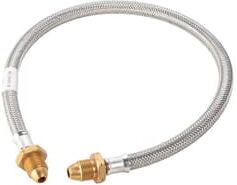
Calor 0.75 (30) POL x POL Armoured Hose PigtailCalor 0.75 (30) POL x POL Armoured Hose Pigtail This 30 POL x POL hose connects two propane cylinders together, typically via a tee piece as part of a twin-cylinder changeover setup, or between a cylinder and a fitting that requires a POL connection at both ends. It's part of the Calor Essentials range and features armoured protection to guard against general wear, sharp objects and vermin damage. Because both ends use a POL fitting rather than a POL-to-regulator connection, this hose is intended for cylinder-to-cylinder or cylinder-to-adaptor use rather than connecting directly to a standard regulator. It carries a 5-year warranty. Key Features & Benefits POL x POL Connection: Connects two cylinders together, typically via a tee piece in a twin-cylinder setup.31,62 £*Shipping: 5,00 £Secure redirect to the provider
-
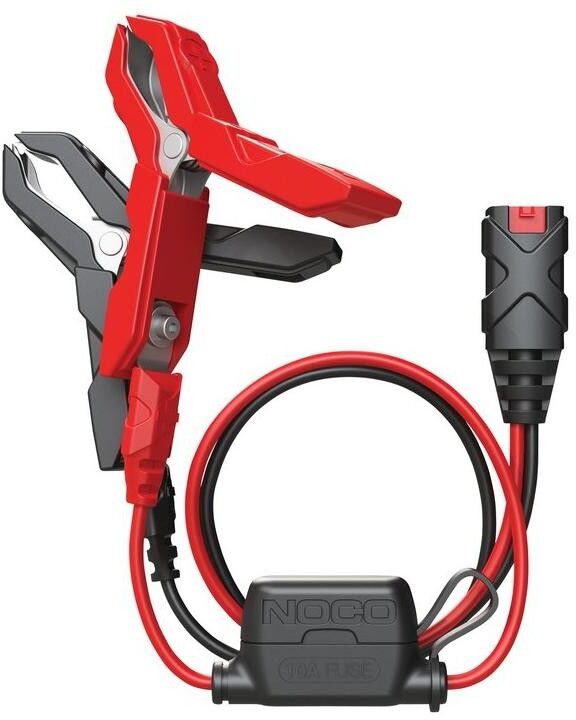
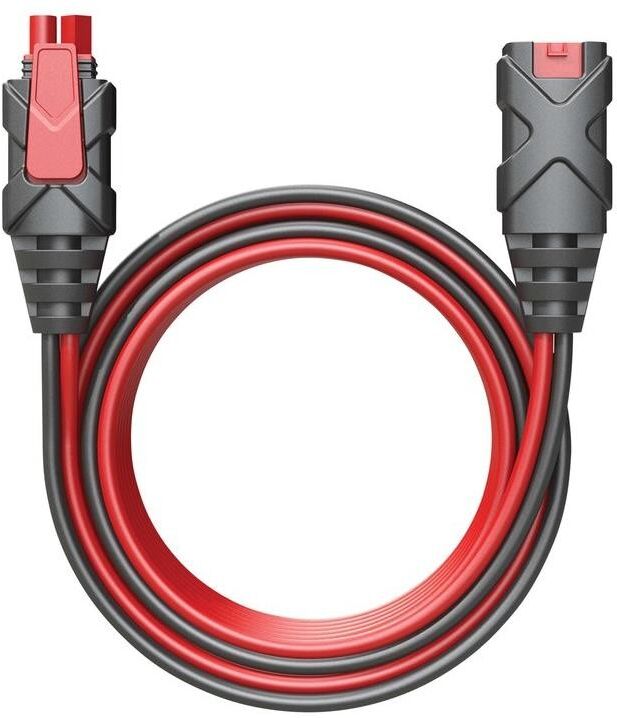
NOCO GBC010 Jumper cablesVersion: Accessory Kit; Quantity: 1; for starter battery voltage (DC) [V]: 12; Product line: GBC010; Length [cm]: 61; Length incl. plug [cm]: 78.8; Supplementary Article / Supplementary Info Info 2: with cigarette lighter plug; Registration Type: FCC approved; Adapter enclosed: XGC Female 12V; Manufacturer Restriction: for GB70 GB150 GB25028,49 £*Shipping: 8,45 £Secure redirect to the provider

-
Can the direct current cross-section be distributed across multiple cables?
Yes, direct current can be distributed across multiple cables. By connecting multiple cables in parallel, the total current can be divided among the cables, allowing for the distribution of the direct current across them. This method is commonly used in electrical systems to ensure that the current is evenly distributed and to prevent overloading of individual cables. **
-
How do I determine the polarity of cables in direct current?
To determine the polarity of cables in direct current, you can use a multimeter set to the DC voltage setting. Connect the red probe to the positive terminal of the cable and the black probe to the negative terminal. If the multimeter shows a positive reading, then the red probe is connected to the positive terminal. If the reading is negative, then the red probe is connected to the negative terminal. This method helps you identify the polarity of the cables accurately. **
-
How do you form the active and passive voice with direct speech?
To form the active voice with direct speech, you simply quote the speaker's words as they were spoken, without any changes. For example, "I love ice cream," is in the active voice. To form the passive voice with direct speech, you would quote the speaker's words and then change the subject of the sentence to the object of the action. For example, "Ice cream is loved by me," is in the passive voice. **
-
Do you need thicker cables for direct current than for alternating current?
No, you do not necessarily need thicker cables for direct current (DC) than for alternating current (AC). The current-carrying capacity of a cable is determined by factors such as the material, size, and insulation of the cable, as well as the voltage and current being carried. Both DC and AC have their own unique considerations when it comes to cable sizing, but the need for thicker cables is not inherently tied to the type of current being carried. It ultimately depends on the specific requirements of the electrical system and the application. **


What connection cables are needed to connect a DJ controller to active speakers?
To connect a DJ controller to active speakers, you will need a set of RCA cables or a 1/8-inch TRS to dual RCA cable. The RCA cables will connect the output of the DJ controller to the input of the active speakers. Make sure to check the input options on both the DJ controller and the active speakers to ensure you have the correct cables for the connection. Additionally, you may need an adapter if the DJ controller or active speakers have different input/output options. **
How does the stress on cables differ between direct current and alternating current?
In direct current (DC) systems, the stress on cables is relatively constant because the current flows in one direction continuously. This results in a steady and predictable stress level on the cables. On the other hand, in alternating current (AC) systems, the stress on cables fluctuates as the current changes direction periodically. This can lead to higher stress levels on the cables, especially during peak currents, which may require cables to be designed to withstand these fluctuations. **
Top-Angebote
Products related to Cables-Direct-Armoured-Active:
-
Bolt Action Puma Sd.Kfz. 234/2 Armoured Car for Warlord Games, 28mm Scale, German Armoured VehicleAdd a fast German reconnaissance vehicle to your tabletop force with this 28mm-scale Puma armoured car kit from Warlord Games. The model represents the Sd.Kfz. 234/2 variant, distinguished by its enclosed turret and 5cm gun. Designed for use with Bolt Action, the completed vehicle can provide a mobile armoured option for suitable German forces. It is also compatible with Warlord Games’ Achtung Panzer! tabletop system when used with the relevant rules. This detailed vehicle kit builds one Sd.Kfz. 234/2 Puma armoured car, includes one crew figure, and is made of plastic. It is supplied unassembled and unpainted, requiring glue and paints for completion. Suitable for hobbyists expanding a German armoured platoon or creating a Second World War display piece.21,09 £*Shipping: 1,99 £Secure redirect to the provider
-
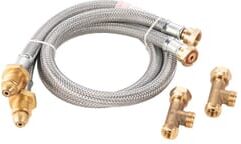
Calor 4 Cylinder OPSO Upgrade Kit (Armoured)4 cylinder OPSO upgrade kit brought to you by the Calor Essentials range and created for use when upgrading from a 2 cylinder system to 4 cylinders. Comes complete with 2 hoses and 'T' pieces and the addition of armoured hosing allows for extra protecton against general wear, sharp objects and vermin.51,00 £*Shipping: 5,00 £Secure redirect to the provider
-
Calor 0.75 (30) POL x POL Armoured Hose PigtailCalor 0.75 (30) POL x POL Armoured Hose Pigtail This 30 POL x POL hose connects two propane cylinders together, typically via a tee piece as part of a twin-cylinder changeover setup, or between a cylinder and a fitting that requires a POL connection at both ends. It's part of the Calor Essentials range and features armoured protection to guard against general wear, sharp objects and vermin damage. Because both ends use a POL fitting rather than a POL-to-regulator connection, this hose is intended for cylinder-to-cylinder or cylinder-to-adaptor use rather than connecting directly to a standard regulator. It carries a 5-year warranty. Key Features & Benefits POL x POL Connection: Connects two cylinders together, typically via a tee piece in a twin-cylinder setup.31,62 £*Shipping: 5,00 £Secure redirect to the provider
-
What cables are needed for active speakers?
Active speakers typically require power cables to connect to a power source, as well as audio cables to connect to an audio source such as a mixer, audio interface, or other audio playback device. The specific type of audio cable needed will depend on the inputs available on the active speakers, but common options include XLR, 1/4-inch TRS, or RCA cables. It's important to ensure that the cables used are of high quality to minimize interference and ensure optimal audio performance. **
-
How do I connect an active subwoofer using speaker cables?
To connect an active subwoofer using speaker cables, first, locate the subwoofer output on your amplifier or receiver. Next, connect one end of the speaker cable to the subwoofer output on your amplifier/receiver and the other end to the input on your active subwoofer. Make sure to match the positive and negative terminals on both ends of the cable. Once connected, power on your subwoofer and adjust the settings on your amplifier/receiver to ensure the subwoofer is working correctly. **
-
Can the direct current cross-section be distributed across multiple cables?
Yes, direct current can be distributed across multiple cables. By connecting multiple cables in parallel, the total current can be divided among the cables, allowing for the distribution of the direct current across them. This method is commonly used in electrical systems to ensure that the current is evenly distributed and to prevent overloading of individual cables. **
-
How do I determine the polarity of cables in direct current?
To determine the polarity of cables in direct current, you can use a multimeter set to the DC voltage setting. Connect the red probe to the positive terminal of the cable and the black probe to the negative terminal. If the multimeter shows a positive reading, then the red probe is connected to the positive terminal. If the reading is negative, then the red probe is connected to the negative terminal. This method helps you identify the polarity of the cables accurately. **
Similar search terms for Cables-Direct-Armoured-Active
-
NOCO GBC010 Jumper cablesVersion: Accessory Kit; Quantity: 1; for starter battery voltage (DC) [V]: 12; Product line: GBC010; Length [cm]: 61; Length incl. plug [cm]: 78.8; Supplementary Article / Supplementary Info Info 2: with cigarette lighter plug; Registration Type: FCC approved; Adapter enclosed: XGC Female 12V; Manufacturer Restriction: for GB70 GB150 GB25028,49 £*Shipping: 8,45 £Secure redirect to the provider
-
GYS 056404 Jumper cablesCurrent Strength to [A]: 700; Vehicle type: Passenger cars; Material: Copper; Length [m]: 4.5; Cable Cross Section [mm²]: 35; suited for engine type: Diesel, Petrol Engine; Supplementary Article / Supplementary Info Info 2: with overvoltage protection106,99 £*Shipping: 8,45 £Secure redirect to the provider
-
XL 551030 Jumper cablesLength [m]: 2.5; Material: Copper; for petrol engines to capacity [ccm]: 1500; Insulated: ; Supplementary Article / Supplementary Info Info 2: with storage bag, with overvoltage protection; Vehicle type: Passenger cars; Cable Cross Section [mm²]: 10; suited for engine type: Petrol Engine33,49 £*Shipping: 8,45 £Secure redirect to the provider
-
How do you form the active and passive voice with direct speech?
To form the active voice with direct speech, you simply quote the speaker's words as they were spoken, without any changes. For example, "I love ice cream," is in the active voice. To form the passive voice with direct speech, you would quote the speaker's words and then change the subject of the sentence to the object of the action. For example, "Ice cream is loved by me," is in the passive voice. **
-
Do you need thicker cables for direct current than for alternating current?
No, you do not necessarily need thicker cables for direct current (DC) than for alternating current (AC). The current-carrying capacity of a cable is determined by factors such as the material, size, and insulation of the cable, as well as the voltage and current being carried. Both DC and AC have their own unique considerations when it comes to cable sizing, but the need for thicker cables is not inherently tied to the type of current being carried. It ultimately depends on the specific requirements of the electrical system and the application. **
-
What connection cables are needed to connect a DJ controller to active speakers?
To connect a DJ controller to active speakers, you will need a set of RCA cables or a 1/8-inch TRS to dual RCA cable. The RCA cables will connect the output of the DJ controller to the input of the active speakers. Make sure to check the input options on both the DJ controller and the active speakers to ensure you have the correct cables for the connection. Additionally, you may need an adapter if the DJ controller or active speakers have different input/output options. **
-
How does the stress on cables differ between direct current and alternating current?
In direct current (DC) systems, the stress on cables is relatively constant because the current flows in one direction continuously. This results in a steady and predictable stress level on the cables. On the other hand, in alternating current (AC) systems, the stress on cables fluctuates as the current changes direction periodically. This can lead to higher stress levels on the cables, especially during peak currents, which may require cables to be designed to withstand these fluctuations. **
* All prices are inclusive of VAT and, if applicable, plus shipping costs. The offer information is based on the details provided by the respective shop and is updated through automated processes. Real-time updates do not occur, so deviations can occur in individual cases. ** Note: Parts of this content were created by AI.