Buy ethnic-shop.com ?
We are moving the project
ethnic-shop.com .
Are you interested in purchasing the domain
ethnic-shop.com ?
domain@kv-gmbh.de · 0541-91531010
Buy ethnic-shop.com ?
What is soot deposition on the wall?
Soot deposition on the wall refers to the accumulation of fine black particles on the surface of a wall. This soot is typically a byproduct of incomplete combustion of carbon-based fuels, such as wood, coal, or oil. It can be caused by sources such as fireplaces, candles, cooking, or smoking. Soot deposition can create unsightly black stains on walls and ceilings and may also pose health risks if inhaled. Regular cleaning and proper ventilation can help prevent soot deposition in indoor spaces. **
What is retrogressive erosion or retrogressive deposition?
Retrogressive erosion is the process by which a river or stream cuts backward into the landscape, causing the erosion of the land and the formation of steep-sided valleys or gullies. This can occur due to changes in the river's flow or the underlying geology of the area. Retrogressive deposition, on the other hand, is the process by which sediment is deposited in a backward or upstream direction, often due to a decrease in the river's flow or changes in the sediment load. Both processes can significantly alter the landscape and contribute to the shaping of the Earth's surface over time. **

Similar search terms for Deposition
Top-Angebote
Products related to Deposition:
-
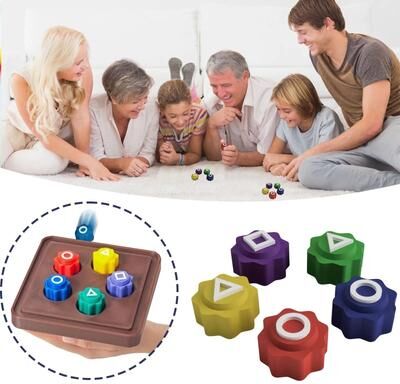
Uplifted Finds Korean Traditional Folk Game Set Family Travel Play Kit dBring generations together with this Korean traditional folk game set featuring classic childhood games enjoyed across Korea. This cultural play kit includes multiple timeless games that encourage movement strategy and family interaction making it...53,97 $*Shipping: 0,00 $Secure redirect to the provider
-
Uplifted Finds Korean Traditional Folk Game Set Family Travel Play Kit aBring generations together with this Korean traditional folk game set featuring classic childhood games enjoyed across Korea. This cultural play kit includes multiple timeless games that encourage movement strategy and family interaction making it...58,97 $*Shipping: 0,00 $Secure redirect to the provider


-
How does the electrolytic deposition of Berlin brown work?
The electrolytic deposition of Berlin brown involves using an electrolyte solution containing a specific compound, such as potassium ferrocyanide. When an electric current is passed through the solution, the compound dissociates into its ions. The ferrocyanide ions are attracted to the cathode, where they gain electrons and form insoluble Berlin brown precipitate. This precipitate then coats the cathode, resulting in the deposition of Berlin brown. **
-
How does copper deposition work according to Faraday's law?
Copper deposition according to Faraday's law occurs through the process of electrolysis. When a copper salt solution is electrolyzed, an electric current is passed through the solution, causing copper ions to gain electrons at the cathode and deposit as solid copper metal. Faraday's law states that the amount of substance deposited is directly proportional to the amount of electricity passed through the solution, and is also related to the equivalent weight of the substance. This allows for precise control over the amount of copper deposited based on the amount of electricity passed through the solution. **
-
I need help with the calculation of deposition in electrolysis.
In electrolysis, the deposition of a substance on an electrode can be calculated using Faraday's laws of electrolysis. The amount of substance deposited is directly proportional to the quantity of electricity passed through the electrolyte. The formula for calculating the amount of deposition is given by mass = (current x time x atomic mass) / (charge of electron x Faraday's constant). By using this formula, you can calculate the amount of deposition in electrolysis. **
-
What is the difference between electrode deposition and electrode sedimentation?
Electrode deposition and electrode sedimentation are both processes used to coat a substrate with a layer of material through electrochemical methods. The main difference between the two is the mechanism by which the material is deposited onto the substrate. In electrode deposition, the material is directly deposited onto the substrate through the application of an electric current, while in electrode sedimentation, the material is first dispersed in a solution and then allowed to settle onto the substrate through gravity or other external forces. Overall, electrode deposition is a more controlled and precise process, while electrode sedimentation is more reliant on the settling behavior of the dispersed material. **


What is a cultural heritage?
Cultural heritage refers to the traditions, customs, beliefs, and artifacts that are passed down from generation to generation within a society. It encompasses the tangible and intangible aspects of a culture, including historical sites, monuments, art, music, language, and rituals. Cultural heritage plays a crucial role in shaping a community's identity and preserving its unique heritage for future generations. It is an important part of a society's history and contributes to its sense of belonging and continuity. **
How do erosion, transportation, and deposition interact in the upper course of a river?
In the upper course of a river, erosion is the dominant process as the river cuts through the landscape, creating a V-shaped valley. As the river erodes the surrounding rock and soil, it transports the sediment downstream through the process of transportation. The sediment is then deposited along the riverbanks and in the riverbed as the river's velocity decreases, leading to the process of deposition. These three processes interact to shape the landscape of the upper course of a river, creating a dynamic and ever-changing environment. **
Top-Angebote
Products related to Deposition:
-
Uplifted Finds Korean Traditional Folk Game Set Family Travel Play Kit eBring generations together with this Korean traditional folk game set featuring classic childhood games enjoyed across Korea. This cultural play kit includes multiple timeless games that encourage movement strategy and family interaction making it...83,97 $*Shipping: 0,00 $Secure redirect to the provider
-
What is soot deposition on the wall?
Soot deposition on the wall refers to the accumulation of fine black particles on the surface of a wall. This soot is typically a byproduct of incomplete combustion of carbon-based fuels, such as wood, coal, or oil. It can be caused by sources such as fireplaces, candles, cooking, or smoking. Soot deposition can create unsightly black stains on walls and ceilings and may also pose health risks if inhaled. Regular cleaning and proper ventilation can help prevent soot deposition in indoor spaces. **
-
What is retrogressive erosion or retrogressive deposition?
Retrogressive erosion is the process by which a river or stream cuts backward into the landscape, causing the erosion of the land and the formation of steep-sided valleys or gullies. This can occur due to changes in the river's flow or the underlying geology of the area. Retrogressive deposition, on the other hand, is the process by which sediment is deposited in a backward or upstream direction, often due to a decrease in the river's flow or changes in the sediment load. Both processes can significantly alter the landscape and contribute to the shaping of the Earth's surface over time. **
-
How does the electrolytic deposition of Berlin brown work?
The electrolytic deposition of Berlin brown involves using an electrolyte solution containing a specific compound, such as potassium ferrocyanide. When an electric current is passed through the solution, the compound dissociates into its ions. The ferrocyanide ions are attracted to the cathode, where they gain electrons and form insoluble Berlin brown precipitate. This precipitate then coats the cathode, resulting in the deposition of Berlin brown. **
-
How does copper deposition work according to Faraday's law?
Copper deposition according to Faraday's law occurs through the process of electrolysis. When a copper salt solution is electrolyzed, an electric current is passed through the solution, causing copper ions to gain electrons at the cathode and deposit as solid copper metal. Faraday's law states that the amount of substance deposited is directly proportional to the amount of electricity passed through the solution, and is also related to the equivalent weight of the substance. This allows for precise control over the amount of copper deposited based on the amount of electricity passed through the solution. **
Similar search terms for Deposition
-
Uplifted Finds Korean Traditional Folk Game Set Family Travel Play Kit dBring generations together with this Korean traditional folk game set featuring classic childhood games enjoyed across Korea. This cultural play kit includes multiple timeless games that encourage movement strategy and family interaction making it...53,97 $*Shipping: 0,00 $Secure redirect to the provider
-
Uplifted Finds Korean Traditional Folk Game Set Family Travel Play Kit aBring generations together with this Korean traditional folk game set featuring classic childhood games enjoyed across Korea. This cultural play kit includes multiple timeless games that encourage movement strategy and family interaction making it...58,97 $*Shipping: 0,00 $Secure redirect to the provider
-
Uplifted Finds Korean Traditional Folk Game Set Family Travel Play Kit bBring generations together with this Korean traditional folk game set featuring classic childhood games enjoyed across Korea. This cultural play kit includes multiple timeless games that encourage movement strategy and family interaction making it...63,97 $*Shipping: 0,00 $Secure redirect to the provider
-
Uplifted Finds Korean Traditional Folk Game Set Family Travel Play Kit cBring generations together with this Korean traditional folk game set featuring classic childhood games enjoyed across Korea. This cultural play kit includes multiple timeless games that encourage movement strategy and family interaction making it...88,97 $*Shipping: 0,00 $Secure redirect to the provider
-
I need help with the calculation of deposition in electrolysis.
In electrolysis, the deposition of a substance on an electrode can be calculated using Faraday's laws of electrolysis. The amount of substance deposited is directly proportional to the quantity of electricity passed through the electrolyte. The formula for calculating the amount of deposition is given by mass = (current x time x atomic mass) / (charge of electron x Faraday's constant). By using this formula, you can calculate the amount of deposition in electrolysis. **
-
What is the difference between electrode deposition and electrode sedimentation?
Electrode deposition and electrode sedimentation are both processes used to coat a substrate with a layer of material through electrochemical methods. The main difference between the two is the mechanism by which the material is deposited onto the substrate. In electrode deposition, the material is directly deposited onto the substrate through the application of an electric current, while in electrode sedimentation, the material is first dispersed in a solution and then allowed to settle onto the substrate through gravity or other external forces. Overall, electrode deposition is a more controlled and precise process, while electrode sedimentation is more reliant on the settling behavior of the dispersed material. **
-
What is a cultural heritage?
Cultural heritage refers to the traditions, customs, beliefs, and artifacts that are passed down from generation to generation within a society. It encompasses the tangible and intangible aspects of a culture, including historical sites, monuments, art, music, language, and rituals. Cultural heritage plays a crucial role in shaping a community's identity and preserving its unique heritage for future generations. It is an important part of a society's history and contributes to its sense of belonging and continuity. **
-
How do erosion, transportation, and deposition interact in the upper course of a river?
In the upper course of a river, erosion is the dominant process as the river cuts through the landscape, creating a V-shaped valley. As the river erodes the surrounding rock and soil, it transports the sediment downstream through the process of transportation. The sediment is then deposited along the riverbanks and in the riverbed as the river's velocity decreases, leading to the process of deposition. These three processes interact to shape the landscape of the upper course of a river, creating a dynamic and ever-changing environment. **
* All prices are inclusive of VAT and, if applicable, plus shipping costs. The offer information is based on the details provided by the respective shop and is updated through automated processes. Real-time updates do not occur, so deviations can occur in individual cases. ** Note: Parts of this content were created by AI.