Buy ethnic-shop.com ?
We are moving the project
ethnic-shop.com .
Are you interested in purchasing the domain
ethnic-shop.com ?
domain@kv-gmbh.de · 0541-91531010
Buy ethnic-shop.com ?
How does the autonomic nervous system work?
The autonomic nervous system controls involuntary bodily functions such as heart rate, digestion, and breathing. It is divided into two branches: the sympathetic nervous system, which activates the body's fight-or-flight response in times of stress, and the parasympathetic nervous system, which promotes relaxation and rest. These two branches work in opposition to maintain homeostasis in the body. The autonomic nervous system operates largely unconsciously, responding to signals from the brain and sensory organs to regulate various bodily functions. **
What does the autonomic nervous system do?
The autonomic nervous system controls involuntary bodily functions such as heart rate, digestion, respiratory rate, and blood pressure. It regulates these functions to maintain homeostasis and respond to changes in the internal and external environment. The autonomic nervous system has two main divisions - the sympathetic and parasympathetic nervous systems, which work together to balance and coordinate the body's physiological processes. Overall, the autonomic nervous system plays a crucial role in ensuring the body functions properly without conscious effort. **

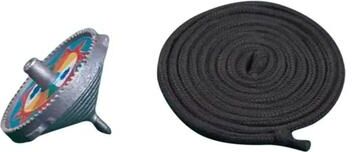
Similar search terms for Autonomic
Top-Angebote
Products related to Autonomic:
-
Uplifted Finds Korean Traditional Folk Game Set Family Travel Play Kit aBring generations together with this Korean traditional folk game set featuring classic childhood games enjoyed across Korea. This cultural play kit includes multiple timeless games that encourage movement strategy and family interaction making it...58,97 $*Shipping: 0,00 $Secure redirect to the provider
-
Uplifted Finds Korean Traditional Folk Game Set Family Travel Play Kit dBring generations together with this Korean traditional folk game set featuring classic childhood games enjoyed across Korea. This cultural play kit includes multiple timeless games that encourage movement strategy and family interaction making it...53,97 $*Shipping: 0,00 $Secure redirect to the provider


-
What is the difference between dermatomes and autonomic regions?
Dermatomes are specific areas of skin supplied by a single spinal nerve, while autonomic regions are areas of the body that are innervated by the autonomic nervous system. Dermatomes are responsible for sensory perception, such as touch and temperature, while autonomic regions control involuntary functions like heart rate, digestion, and respiratory rate. Additionally, dermatomes are related to somatic sensation, while autonomic regions are related to visceral functions. **
-
What is a cultural heritage?
Cultural heritage refers to the traditions, customs, beliefs, and artifacts that are passed down from generation to generation within a society. It encompasses the tangible and intangible aspects of a culture, including historical sites, monuments, art, music, language, and rituals. Cultural heritage plays a crucial role in shaping a community's identity and preserving its unique heritage for future generations. It is an important part of a society's history and contributes to its sense of belonging and continuity. **
-
How do I solve the task Biology: Autonomic Nervous System - Parasympathetic?
To solve the task "Biology: Autonomic Nervous System - Parasympathetic," you should first understand the basics of the autonomic nervous system, including its two main divisions - the sympathetic and parasympathetic nervous systems. Focus on the functions and effects of the parasympathetic nervous system, such as its role in rest and digest activities. Additionally, familiarize yourself with the neurotransmitters involved in the parasympathetic system, like acetylcholine. Finally, practice applying this knowledge to different scenarios or questions related to the parasympathetic nervous system to solidify your understanding. **
-
What is the difference between the peripheral and the autonomic nervous system?
The peripheral nervous system consists of all the nerves outside of the brain and spinal cord, including sensory and motor nerves. It is responsible for transmitting information between the central nervous system and the rest of the body. The autonomic nervous system is a division of the peripheral nervous system that controls involuntary bodily functions, such as heart rate, digestion, and respiratory rate. While the peripheral nervous system includes both voluntary and involuntary nerves, the autonomic nervous system specifically regulates involuntary actions. **


What does it mean when the autonomic nervous system is out of balance?
When the autonomic nervous system is out of balance, it means that there is an imbalance between the sympathetic and parasympathetic branches of the system. This can lead to symptoms such as increased heart rate, high blood pressure, digestive issues, anxiety, or difficulty sleeping. An out-of-balance autonomic nervous system can result from chronic stress, trauma, or certain medical conditions, and it can impact overall health and well-being. It is important to address this imbalance through relaxation techniques, lifestyle changes, and sometimes medical interventions to restore harmony to the autonomic nervous system. **
Why is the autonomic nervous system also referred to as a separate nervous system?
The autonomic nervous system is referred to as a separate nervous system because it functions independently from the somatic nervous system, which controls voluntary movements. The autonomic nervous system regulates involuntary bodily functions such as heart rate, digestion, and respiratory rate. It is responsible for maintaining homeostasis and responding to internal and external stimuli without conscious effort. This separation allows the autonomic nervous system to carry out its functions without direct control from the conscious mind. **
Top-Angebote
Products related to Autonomic:
-
Uplifted Finds Korean Traditional Folk Game Set Family Travel Play Kit bBring generations together with this Korean traditional folk game set featuring classic childhood games enjoyed across Korea. This cultural play kit includes multiple timeless games that encourage movement strategy and family interaction making it...63,97 $*Shipping: 0,00 $Secure redirect to the provider
-
How does the autonomic nervous system work?
The autonomic nervous system controls involuntary bodily functions such as heart rate, digestion, and breathing. It is divided into two branches: the sympathetic nervous system, which activates the body's fight-or-flight response in times of stress, and the parasympathetic nervous system, which promotes relaxation and rest. These two branches work in opposition to maintain homeostasis in the body. The autonomic nervous system operates largely unconsciously, responding to signals from the brain and sensory organs to regulate various bodily functions. **
-
What does the autonomic nervous system do?
The autonomic nervous system controls involuntary bodily functions such as heart rate, digestion, respiratory rate, and blood pressure. It regulates these functions to maintain homeostasis and respond to changes in the internal and external environment. The autonomic nervous system has two main divisions - the sympathetic and parasympathetic nervous systems, which work together to balance and coordinate the body's physiological processes. Overall, the autonomic nervous system plays a crucial role in ensuring the body functions properly without conscious effort. **
-
What is the difference between dermatomes and autonomic regions?
Dermatomes are specific areas of skin supplied by a single spinal nerve, while autonomic regions are areas of the body that are innervated by the autonomic nervous system. Dermatomes are responsible for sensory perception, such as touch and temperature, while autonomic regions control involuntary functions like heart rate, digestion, and respiratory rate. Additionally, dermatomes are related to somatic sensation, while autonomic regions are related to visceral functions. **
-
What is a cultural heritage?
Cultural heritage refers to the traditions, customs, beliefs, and artifacts that are passed down from generation to generation within a society. It encompasses the tangible and intangible aspects of a culture, including historical sites, monuments, art, music, language, and rituals. Cultural heritage plays a crucial role in shaping a community's identity and preserving its unique heritage for future generations. It is an important part of a society's history and contributes to its sense of belonging and continuity. **
Similar search terms for Autonomic
-
Uplifted Finds Korean Traditional Folk Game Set Family Travel Play Kit aBring generations together with this Korean traditional folk game set featuring classic childhood games enjoyed across Korea. This cultural play kit includes multiple timeless games that encourage movement strategy and family interaction making it...58,97 $*Shipping: 0,00 $Secure redirect to the provider
-
Uplifted Finds Korean Traditional Folk Game Set Family Travel Play Kit dBring generations together with this Korean traditional folk game set featuring classic childhood games enjoyed across Korea. This cultural play kit includes multiple timeless games that encourage movement strategy and family interaction making it...53,97 $*Shipping: 0,00 $Secure redirect to the provider
-
Uplifted Finds Korean Traditional Folk Game Set Family Travel Play Kit eBring generations together with this Korean traditional folk game set featuring classic childhood games enjoyed across Korea. This cultural play kit includes multiple timeless games that encourage movement strategy and family interaction making it...83,97 $*Shipping: 0,00 $Secure redirect to the provider
-
Uplifted Finds Korean Traditional Folk Game Set Family Travel Play Kit cBring generations together with this Korean traditional folk game set featuring classic childhood games enjoyed across Korea. This cultural play kit includes multiple timeless games that encourage movement strategy and family interaction making it...88,97 $*Shipping: 0,00 $Secure redirect to the provider
-
How do I solve the task Biology: Autonomic Nervous System - Parasympathetic?
To solve the task "Biology: Autonomic Nervous System - Parasympathetic," you should first understand the basics of the autonomic nervous system, including its two main divisions - the sympathetic and parasympathetic nervous systems. Focus on the functions and effects of the parasympathetic nervous system, such as its role in rest and digest activities. Additionally, familiarize yourself with the neurotransmitters involved in the parasympathetic system, like acetylcholine. Finally, practice applying this knowledge to different scenarios or questions related to the parasympathetic nervous system to solidify your understanding. **
-
What is the difference between the peripheral and the autonomic nervous system?
The peripheral nervous system consists of all the nerves outside of the brain and spinal cord, including sensory and motor nerves. It is responsible for transmitting information between the central nervous system and the rest of the body. The autonomic nervous system is a division of the peripheral nervous system that controls involuntary bodily functions, such as heart rate, digestion, and respiratory rate. While the peripheral nervous system includes both voluntary and involuntary nerves, the autonomic nervous system specifically regulates involuntary actions. **
-
What does it mean when the autonomic nervous system is out of balance?
When the autonomic nervous system is out of balance, it means that there is an imbalance between the sympathetic and parasympathetic branches of the system. This can lead to symptoms such as increased heart rate, high blood pressure, digestive issues, anxiety, or difficulty sleeping. An out-of-balance autonomic nervous system can result from chronic stress, trauma, or certain medical conditions, and it can impact overall health and well-being. It is important to address this imbalance through relaxation techniques, lifestyle changes, and sometimes medical interventions to restore harmony to the autonomic nervous system. **
-
Why is the autonomic nervous system also referred to as a separate nervous system?
The autonomic nervous system is referred to as a separate nervous system because it functions independently from the somatic nervous system, which controls voluntary movements. The autonomic nervous system regulates involuntary bodily functions such as heart rate, digestion, and respiratory rate. It is responsible for maintaining homeostasis and responding to internal and external stimuli without conscious effort. This separation allows the autonomic nervous system to carry out its functions without direct control from the conscious mind. **
* All prices are inclusive of VAT and, if applicable, plus shipping costs. The offer information is based on the details provided by the respective shop and is updated through automated processes. Real-time updates do not occur, so deviations can occur in individual cases. ** Note: Parts of this content were created by AI.