Buy ethnic-shop.com ?
We are moving the project
ethnic-shop.com .
Are you interested in purchasing the domain
ethnic-shop.com ?
domain@kv-gmbh.de · 0541-91531010
Buy ethnic-shop.com ?
What are the causes of ethnic conflicts?
Ethnic conflicts can be caused by a variety of factors, including historical grievances, competition for resources, political power struggles, and discrimination. Historical grievances, such as past injustices or conflicts, can create deep-seated animosities between different ethnic groups. Competition for resources, such as land, water, or economic opportunities, can also fuel ethnic tensions. Additionally, political power struggles and discrimination, where one ethnic group is marginalized or oppressed by another, can lead to conflict. These factors can create a volatile environment where ethnic tensions can escalate into violent conflicts. **
Why are there many ethnic conflicts in sub-Saharan Africa?
There are many ethnic conflicts in sub-Saharan Africa due to a combination of historical, political, and socio-economic factors. Colonial boundaries created by European powers often divided ethnic groups, leading to tensions and competition for resources. Additionally, the legacy of colonialism and the subsequent struggle for independence has left many countries with weak governance and institutions, making it difficult to manage ethnic diversity and address grievances. Economic disparities and competition for limited resources also contribute to ethnic tensions. Finally, the manipulation of ethnic identities by political elites for their own gain has further exacerbated conflicts between different ethnic groups. **


Similar search terms for Conflicts
Top-Angebote
Products related to Conflicts:
-
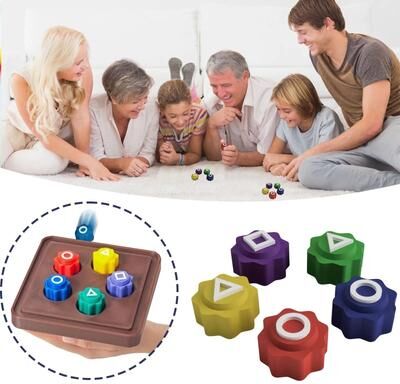
Uplifted Finds Korean Traditional Folk Game Set Family Travel Play Kit eBring generations together with this Korean traditional folk game set featuring classic childhood games enjoyed across Korea. This cultural play kit includes multiple timeless games that encourage movement strategy and family interaction making it...83,97 $*Shipping: 0,00 $Secure redirect to the provider
-
Uplifted Finds Korean Traditional Folk Game Set Family Travel Play Kit dBring generations together with this Korean traditional folk game set featuring classic childhood games enjoyed across Korea. This cultural play kit includes multiple timeless games that encourage movement strategy and family interaction making it...53,97 $*Shipping: 0,00 $Secure redirect to the provider
-
Uplifted Finds Korean Traditional Folk Game Set Family Travel Play Kit bBring generations together with this Korean traditional folk game set featuring classic childhood games enjoyed across Korea. This cultural play kit includes multiple timeless games that encourage movement strategy and family interaction making it...63,97 $*Shipping: 0,00 $Secure redirect to the provider



-
What are norm conflicts?
Norm conflicts occur when there is a clash between different societal or cultural norms, values, or expectations. These conflicts can arise when individuals or groups hold differing beliefs about what is acceptable or appropriate behavior in a given situation. Norm conflicts can lead to tension, misunderstandings, and disagreements, as people try to navigate and reconcile the conflicting norms. Resolving norm conflicts often requires open communication, empathy, and a willingness to compromise or find common ground. **
-
What are new conflicts?
New conflicts refer to disputes or disagreements that have recently emerged and are not yet resolved. These conflicts may arise due to various factors such as changing political landscapes, economic disparities, social injustices, or environmental issues. They can occur at local, national, or international levels and often require careful analysis and negotiation to find peaceful resolutions. Addressing new conflicts effectively is crucial to preventing escalation and promoting stability and cooperation among individuals, communities, or nations. **
-
What are recurring conflicts?
Recurring conflicts are conflicts that happen repeatedly over time, often involving the same individuals or groups. These conflicts may stem from unresolved issues, power struggles, or differing perspectives, and they can lead to ongoing tension and hostility. Recurring conflicts can be detrimental to relationships, organizations, and communities, as they can create a cycle of negativity and hinder progress. It is important to address the root causes of recurring conflicts in order to find lasting solutions and promote peace. **
-
What are religious conflicts?
Religious conflicts are disputes or tensions that arise between different religious groups or within a single religious community. These conflicts can be sparked by differences in beliefs, practices, or interpretations of religious texts. They may manifest as social, political, or violent confrontations, and can have far-reaching consequences for individuals and societies. Religious conflicts often stem from a struggle for power, resources, or influence, and can be exacerbated by historical grievances, discrimination, or intolerance. **


Should conflicts be avoided?
Conflicts should not always be avoided, as they can sometimes lead to positive outcomes such as increased understanding, growth, and resolution of underlying issues. However, it is important to approach conflicts in a constructive and respectful manner, with the goal of finding a mutually beneficial solution. Avoiding conflicts altogether can lead to unresolved issues and build up of resentment, so it is important to address conflicts when they arise in a healthy and productive way. **
What is a cultural heritage?
Cultural heritage refers to the traditions, customs, beliefs, and artifacts that are passed down from generation to generation within a society. It encompasses the tangible and intangible aspects of a culture, including historical sites, monuments, art, music, language, and rituals. Cultural heritage plays a crucial role in shaping a community's identity and preserving its unique heritage for future generations. It is an important part of a society's history and contributes to its sense of belonging and continuity. **
Top-Angebote
Products related to Conflicts:
-
World Rug Gallery Traditional Folk Floral Power Loomed Indoor Area RugDetails: Add lasting style to your home with this Ivory Cream Traditional Folk Floral Area Rug. The classic ivory botanical floral design pairs effortlessly with virtually any decor, making it a natural fit for your living room, bedroom, or entryway.147,99 $*Shipping: 0,00 $Secure redirect to the provider
-
Uplifted Finds Korean Traditional Folk Game Set Family Travel Play Kit eBring generations together with this Korean traditional folk game set featuring classic childhood games enjoyed across Korea. This cultural play kit includes multiple timeless games that encourage movement strategy and family interaction making it...83,97 $*Shipping: 0,00 $Secure redirect to the provider
-
What are the causes of ethnic conflicts?
Ethnic conflicts can be caused by a variety of factors, including historical grievances, competition for resources, political power struggles, and discrimination. Historical grievances, such as past injustices or conflicts, can create deep-seated animosities between different ethnic groups. Competition for resources, such as land, water, or economic opportunities, can also fuel ethnic tensions. Additionally, political power struggles and discrimination, where one ethnic group is marginalized or oppressed by another, can lead to conflict. These factors can create a volatile environment where ethnic tensions can escalate into violent conflicts. **
-
Why are there many ethnic conflicts in sub-Saharan Africa?
There are many ethnic conflicts in sub-Saharan Africa due to a combination of historical, political, and socio-economic factors. Colonial boundaries created by European powers often divided ethnic groups, leading to tensions and competition for resources. Additionally, the legacy of colonialism and the subsequent struggle for independence has left many countries with weak governance and institutions, making it difficult to manage ethnic diversity and address grievances. Economic disparities and competition for limited resources also contribute to ethnic tensions. Finally, the manipulation of ethnic identities by political elites for their own gain has further exacerbated conflicts between different ethnic groups. **
-
What are norm conflicts?
Norm conflicts occur when there is a clash between different societal or cultural norms, values, or expectations. These conflicts can arise when individuals or groups hold differing beliefs about what is acceptable or appropriate behavior in a given situation. Norm conflicts can lead to tension, misunderstandings, and disagreements, as people try to navigate and reconcile the conflicting norms. Resolving norm conflicts often requires open communication, empathy, and a willingness to compromise or find common ground. **
-
What are new conflicts?
New conflicts refer to disputes or disagreements that have recently emerged and are not yet resolved. These conflicts may arise due to various factors such as changing political landscapes, economic disparities, social injustices, or environmental issues. They can occur at local, national, or international levels and often require careful analysis and negotiation to find peaceful resolutions. Addressing new conflicts effectively is crucial to preventing escalation and promoting stability and cooperation among individuals, communities, or nations. **
Similar search terms for Conflicts
-
Uplifted Finds Korean Traditional Folk Game Set Family Travel Play Kit dBring generations together with this Korean traditional folk game set featuring classic childhood games enjoyed across Korea. This cultural play kit includes multiple timeless games that encourage movement strategy and family interaction making it...53,97 $*Shipping: 0,00 $Secure redirect to the provider
-
Uplifted Finds Korean Traditional Folk Game Set Family Travel Play Kit bBring generations together with this Korean traditional folk game set featuring classic childhood games enjoyed across Korea. This cultural play kit includes multiple timeless games that encourage movement strategy and family interaction making it...63,97 $*Shipping: 0,00 $Secure redirect to the provider
-
Uplifted Finds Korean Traditional Folk Game Set Family Travel Play Kit aBring generations together with this Korean traditional folk game set featuring classic childhood games enjoyed across Korea. This cultural play kit includes multiple timeless games that encourage movement strategy and family interaction making it...58,97 $*Shipping: 0,00 $Secure redirect to the provider
-
Uplifted Finds Korean Traditional Folk Game Set Family Travel Play Kit cBring generations together with this Korean traditional folk game set featuring classic childhood games enjoyed across Korea. This cultural play kit includes multiple timeless games that encourage movement strategy and family interaction making it...88,97 $*Shipping: 0,00 $Secure redirect to the provider
-
What are recurring conflicts?
Recurring conflicts are conflicts that happen repeatedly over time, often involving the same individuals or groups. These conflicts may stem from unresolved issues, power struggles, or differing perspectives, and they can lead to ongoing tension and hostility. Recurring conflicts can be detrimental to relationships, organizations, and communities, as they can create a cycle of negativity and hinder progress. It is important to address the root causes of recurring conflicts in order to find lasting solutions and promote peace. **
-
What are religious conflicts?
Religious conflicts are disputes or tensions that arise between different religious groups or within a single religious community. These conflicts can be sparked by differences in beliefs, practices, or interpretations of religious texts. They may manifest as social, political, or violent confrontations, and can have far-reaching consequences for individuals and societies. Religious conflicts often stem from a struggle for power, resources, or influence, and can be exacerbated by historical grievances, discrimination, or intolerance. **
-
Should conflicts be avoided?
Conflicts should not always be avoided, as they can sometimes lead to positive outcomes such as increased understanding, growth, and resolution of underlying issues. However, it is important to approach conflicts in a constructive and respectful manner, with the goal of finding a mutually beneficial solution. Avoiding conflicts altogether can lead to unresolved issues and build up of resentment, so it is important to address conflicts when they arise in a healthy and productive way. **
-
What is a cultural heritage?
Cultural heritage refers to the traditions, customs, beliefs, and artifacts that are passed down from generation to generation within a society. It encompasses the tangible and intangible aspects of a culture, including historical sites, monuments, art, music, language, and rituals. Cultural heritage plays a crucial role in shaping a community's identity and preserving its unique heritage for future generations. It is an important part of a society's history and contributes to its sense of belonging and continuity. **
* All prices are inclusive of VAT and, if applicable, plus shipping costs. The offer information is based on the details provided by the respective shop and is updated through automated processes. Real-time updates do not occur, so deviations can occur in individual cases. ** Note: Parts of this content were created by AI.