Buy ethnic-shop.com ?
We are moving the project
ethnic-shop.com .
Are you interested in purchasing the domain
ethnic-shop.com ?
domain@kv-gmbh.de · 0541-91531010
Buy ethnic-shop.com ?
What are Vauban fortifications?
Vauban fortifications are a type of military defensive structures designed by the French military engineer, Sébastien Le Prestre de Vauban, in the 17th century. These fortifications were characterized by their innovative and strategic design, which aimed to maximize the defensive capabilities of a fortress while minimizing the resources and manpower required for its construction and maintenance. Vauban fortifications often featured star-shaped layouts, bastions, and moats, and were widely used in Europe during the late 17th and 18th centuries. They were considered highly effective in defending against enemy attacks and played a significant role in shaping the military architecture of the time. **
Can you describe the border fortifications?
The border fortifications are a series of physical barriers and security measures put in place to protect a country's borders. These fortifications can include walls, fences, watchtowers, and surveillance technology to monitor and control the movement of people and goods across the border. The goal of these fortifications is to prevent unauthorized entry, enhance border security, and ensure the sovereignty of the country. The design and scale of the fortifications can vary depending on the specific border and the level of perceived threat. **


Similar search terms for Fortifications
Top-Angebote
Products related to Fortifications:
-
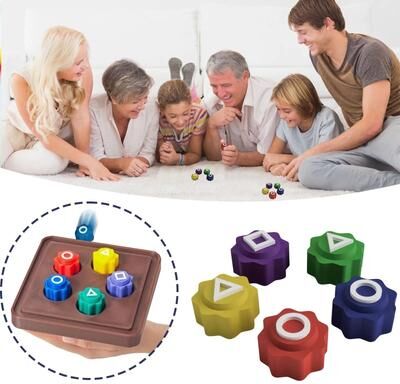
Uplifted Finds Korean Traditional Folk Game Set Family Travel Play Kit aBring generations together with this Korean traditional folk game set featuring classic childhood games enjoyed across Korea. This cultural play kit includes multiple timeless games that encourage movement strategy and family interaction making it...58,97 $*Shipping: 0,00 $Secure redirect to the provider
-
Uplifted Finds Korean Traditional Folk Game Set Family Travel Play Kit dBring generations together with this Korean traditional folk game set featuring classic childhood games enjoyed across Korea. This cultural play kit includes multiple timeless games that encourage movement strategy and family interaction making it...53,97 $*Shipping: 0,00 $Secure redirect to the provider


-
Why did the Indians not build stronger fortifications?
The Indians did not build stronger fortifications because they were primarily a nomadic people who relied on mobility and flexibility for survival. Their lifestyle of hunting and gathering meant that they needed to be able to move quickly and easily, so building large, permanent fortifications would have been impractical. Additionally, the vastness of the land and the relatively small population meant that there was less need for heavily fortified structures for defense. Instead, they relied on their knowledge of the land, their skills in warfare, and their ability to adapt to different environments for protection. **
-
What is a cultural heritage?
Cultural heritage refers to the traditions, customs, beliefs, and artifacts that are passed down from generation to generation within a society. It encompasses the tangible and intangible aspects of a culture, including historical sites, monuments, art, music, language, and rituals. Cultural heritage plays a crucial role in shaping a community's identity and preserving its unique heritage for future generations. It is an important part of a society's history and contributes to its sense of belonging and continuity. **
-
Is the Drachenschanze a German cultural heritage site?
Yes, the Drachenschanze is considered a German cultural heritage site. It is a historic site in the Harz Mountains that has been preserved and protected due to its cultural significance. The Drachenschanze is a medieval fortification that played a role in the region's history, making it an important part of Germany's cultural heritage. Its historical and architectural significance has led to its recognition as a cultural heritage site in Germany. **
-
Is the Drachenlord and the Drachengame German cultural heritage?
The Drachenlord and the Drachengame are not considered German cultural heritage in the traditional sense. They are more of a modern internet phenomenon that has gained popularity in certain online communities. While they may have a following and be part of contemporary German internet culture, they do not hold the same historical or cultural significance as traditional German heritage sites or practices. **

Is Drachenlord and the Drachengame considered German cultural heritage?
Drachenlord and the Drachengame are not officially recognized as German cultural heritage. While they may have gained a following and become a notable part of internet culture in Germany, they do not hold the same status as traditional cultural elements such as literature, music, or art that are typically associated with being part of a country's cultural heritage. Additionally, the controversial nature of Drachenlord and the Drachengame may make it less likely to be officially recognized as cultural heritage. **
What is the difference between a cultural nation and an ethnic nation?
A cultural nation is a group of people who share a common culture, language, history, and traditions, regardless of their ethnic backgrounds. On the other hand, an ethnic nation is a group of people who share a common ancestry, heritage, and often a distinct genetic background. While cultural nations focus on shared values and traditions, ethnic nations are more focused on shared biological and ancestral ties. In essence, cultural nations are based on shared cultural elements, while ethnic nations are based on shared ethnic origins. **
Top-Angebote
Products related to Fortifications:
-
Uplifted Finds Korean Traditional Folk Game Set Family Travel Play Kit bBring generations together with this Korean traditional folk game set featuring classic childhood games enjoyed across Korea. This cultural play kit includes multiple timeless games that encourage movement strategy and family interaction making it...63,97 $*Shipping: 0,00 $Secure redirect to the provider
-
What are Vauban fortifications?
Vauban fortifications are a type of military defensive structures designed by the French military engineer, Sébastien Le Prestre de Vauban, in the 17th century. These fortifications were characterized by their innovative and strategic design, which aimed to maximize the defensive capabilities of a fortress while minimizing the resources and manpower required for its construction and maintenance. Vauban fortifications often featured star-shaped layouts, bastions, and moats, and were widely used in Europe during the late 17th and 18th centuries. They were considered highly effective in defending against enemy attacks and played a significant role in shaping the military architecture of the time. **
-
Can you describe the border fortifications?
The border fortifications are a series of physical barriers and security measures put in place to protect a country's borders. These fortifications can include walls, fences, watchtowers, and surveillance technology to monitor and control the movement of people and goods across the border. The goal of these fortifications is to prevent unauthorized entry, enhance border security, and ensure the sovereignty of the country. The design and scale of the fortifications can vary depending on the specific border and the level of perceived threat. **
-
Why did the Indians not build stronger fortifications?
The Indians did not build stronger fortifications because they were primarily a nomadic people who relied on mobility and flexibility for survival. Their lifestyle of hunting and gathering meant that they needed to be able to move quickly and easily, so building large, permanent fortifications would have been impractical. Additionally, the vastness of the land and the relatively small population meant that there was less need for heavily fortified structures for defense. Instead, they relied on their knowledge of the land, their skills in warfare, and their ability to adapt to different environments for protection. **
-
What is a cultural heritage?
Cultural heritage refers to the traditions, customs, beliefs, and artifacts that are passed down from generation to generation within a society. It encompasses the tangible and intangible aspects of a culture, including historical sites, monuments, art, music, language, and rituals. Cultural heritage plays a crucial role in shaping a community's identity and preserving its unique heritage for future generations. It is an important part of a society's history and contributes to its sense of belonging and continuity. **
Similar search terms for Fortifications
-
Uplifted Finds Korean Traditional Folk Game Set Family Travel Play Kit aBring generations together with this Korean traditional folk game set featuring classic childhood games enjoyed across Korea. This cultural play kit includes multiple timeless games that encourage movement strategy and family interaction making it...58,97 $*Shipping: 0,00 $Secure redirect to the provider
-
Uplifted Finds Korean Traditional Folk Game Set Family Travel Play Kit dBring generations together with this Korean traditional folk game set featuring classic childhood games enjoyed across Korea. This cultural play kit includes multiple timeless games that encourage movement strategy and family interaction making it...53,97 $*Shipping: 0,00 $Secure redirect to the provider
-
Uplifted Finds Korean Traditional Folk Game Set Family Travel Play Kit eBring generations together with this Korean traditional folk game set featuring classic childhood games enjoyed across Korea. This cultural play kit includes multiple timeless games that encourage movement strategy and family interaction making it...83,97 $*Shipping: 0,00 $Secure redirect to the provider
-
Uplifted Finds Korean Traditional Folk Game Set Family Travel Play Kit cBring generations together with this Korean traditional folk game set featuring classic childhood games enjoyed across Korea. This cultural play kit includes multiple timeless games that encourage movement strategy and family interaction making it...88,97 $*Shipping: 0,00 $Secure redirect to the provider
-
Is the Drachenschanze a German cultural heritage site?
Yes, the Drachenschanze is considered a German cultural heritage site. It is a historic site in the Harz Mountains that has been preserved and protected due to its cultural significance. The Drachenschanze is a medieval fortification that played a role in the region's history, making it an important part of Germany's cultural heritage. Its historical and architectural significance has led to its recognition as a cultural heritage site in Germany. **
-
Is the Drachenlord and the Drachengame German cultural heritage?
The Drachenlord and the Drachengame are not considered German cultural heritage in the traditional sense. They are more of a modern internet phenomenon that has gained popularity in certain online communities. While they may have a following and be part of contemporary German internet culture, they do not hold the same historical or cultural significance as traditional German heritage sites or practices. **
-
Is Drachenlord and the Drachengame considered German cultural heritage?
Drachenlord and the Drachengame are not officially recognized as German cultural heritage. While they may have gained a following and become a notable part of internet culture in Germany, they do not hold the same status as traditional cultural elements such as literature, music, or art that are typically associated with being part of a country's cultural heritage. Additionally, the controversial nature of Drachenlord and the Drachengame may make it less likely to be officially recognized as cultural heritage. **
-
What is the difference between a cultural nation and an ethnic nation?
A cultural nation is a group of people who share a common culture, language, history, and traditions, regardless of their ethnic backgrounds. On the other hand, an ethnic nation is a group of people who share a common ancestry, heritage, and often a distinct genetic background. While cultural nations focus on shared values and traditions, ethnic nations are more focused on shared biological and ancestral ties. In essence, cultural nations are based on shared cultural elements, while ethnic nations are based on shared ethnic origins. **
* All prices are inclusive of VAT and, if applicable, plus shipping costs. The offer information is based on the details provided by the respective shop and is updated through automated processes. Real-time updates do not occur, so deviations can occur in individual cases. ** Note: Parts of this content were created by AI.