Buy ethnic-shop.com ?
We are moving the project
ethnic-shop.com .
Are you interested in purchasing the domain
ethnic-shop.com ?
domain@kv-gmbh.de · 0541-91531010
Buy ethnic-shop.com ?
Compare bamboo and lucky bamboo.
Bamboo and lucky bamboo are both types of plants, but they belong to different species. Regular bamboo is a type of grass that can grow very tall and is often used for construction and as a food source. Lucky bamboo, on the other hand, is a smaller plant that is often grown indoors as a decorative plant and is believed to bring good luck and prosperity according to Feng Shui beliefs. Additionally, lucky bamboo is typically grown in water, while regular bamboo is grown in soil. **
Instead of bamboo shoots, bamboo strips?
Yes, bamboo strips can be used as a substitute for bamboo shoots in certain recipes. However, it's important to note that bamboo strips have a different texture and flavor compared to bamboo shoots. Bamboo strips are typically more fibrous and may require longer cooking times to become tender. They are commonly used in stir-fries, soups, and salads, adding a unique crunch and earthy flavor to the dish. **


Similar search terms for Origin-Guadua-Green-Bamboo
Top-Angebote
Products related to Origin-Guadua-Green-Bamboo:




-
How to answer questions about ethnic origin or ethnic affiliation?
When answering questions about ethnic origin or ethnic affiliation, it is important to be respectful and sensitive to the topic. If you are comfortable sharing your ethnic background, you can simply state your ethnic origin or affiliation. However, if you prefer not to disclose this information, it is okay to politely decline to answer. It is also important to remember that everyone has the right to self-identify and that ethnic origin is a personal and complex aspect of one's identity. **
-
What does the term ethnic origin mean?
Ethnic origin refers to a person's ancestral background or heritage, typically based on their cultural, national, or regional affiliation. It is a way to categorize individuals based on their shared cultural practices, traditions, language, and history. Ethnic origin is often used to describe a person's identity and can influence their sense of belonging and connection to a particular group or community. It is an important aspect of diversity and can impact how individuals are perceived and treated in society. **
-
How does one answer questions about ethnic origin or ethnic affiliation?
When answering questions about ethnic origin or ethnic affiliation, it is important to be honest and respectful. One should identify with the ethnic group they feel a connection to, whether it is based on cultural practices, family history, or personal identification. It is also important to recognize that ethnicity is a complex and multifaceted aspect of identity that can be influenced by a variety of factors. Ultimately, individuals should feel empowered to self-identify and share their ethnic background in a way that feels authentic to them. **
-
Does ethnic origin matter when someone is German?
Ethnic origin does not necessarily matter when someone is German. Germany is a diverse country with a significant immigrant population, and being German is more about citizenship and cultural integration rather than ethnic origin. Many people of different ethnic backgrounds have become naturalized German citizens and are considered as much a part of German society as those of ethnic German descent. Ultimately, being German is about embracing the values, language, and culture of the country, rather than one's ethnic background. **

Is the ethnic origin detectable through a DNA test?
Yes, to some extent, ethnic origin can be detected through a DNA test. DNA tests can analyze an individual's genetic markers and compare them to reference populations to estimate their ethnic origins. However, it's important to note that ethnicity is a complex and multifaceted concept that goes beyond genetics, including cultural, historical, and social factors. Therefore, while DNA tests can provide some insight into a person's ethnic origins, they are not definitive and should be considered in conjunction with other information. **
'Bamboo lower classifications'
Bamboo belongs to the subfamily Bambusoideae within the grass family Poaceae. It is further classified into two tribes: Bambuseae and Olyreae. Bambuseae includes the majority of bamboo species and is characterized by having woody stems and a unique flowering pattern. Olyreae, on the other hand, consists of herbaceous bamboos with smaller, thinner stems. These lower classifications help to categorize and understand the diverse range of bamboo species found around the world. **
Top-Angebote
Products related to Origin-Guadua-Green-Bamboo:
-
Origin Guadua Green Bamboo Leaves WallpaperThis tranquil botanical design sports hidden glamour. Silhouettes of bamboo leaves flash silver in the light, a green-grey backdrop adding to the design's serenity. Guadua is an unpasted, non woven wallpaper.53,50 $*Shipping: 0,00 $Secure redirect to the provider
-
Hydrow Origin Rower NewROWING AT ITS PUREST The Hydrow Origin is the rower that started it all. It’s the classic model in the Hydrow range, simple in look but big on giving you that authentic feel of rowing on water. Every stroke comes through the patented electromagnetic drag system, so it feels smooth and natural. On...1515,00 £*Shipping: 0,00 £Secure redirect to the provider
-
Compare bamboo and lucky bamboo.
Bamboo and lucky bamboo are both types of plants, but they belong to different species. Regular bamboo is a type of grass that can grow very tall and is often used for construction and as a food source. Lucky bamboo, on the other hand, is a smaller plant that is often grown indoors as a decorative plant and is believed to bring good luck and prosperity according to Feng Shui beliefs. Additionally, lucky bamboo is typically grown in water, while regular bamboo is grown in soil. **
-
Instead of bamboo shoots, bamboo strips?
Yes, bamboo strips can be used as a substitute for bamboo shoots in certain recipes. However, it's important to note that bamboo strips have a different texture and flavor compared to bamboo shoots. Bamboo strips are typically more fibrous and may require longer cooking times to become tender. They are commonly used in stir-fries, soups, and salads, adding a unique crunch and earthy flavor to the dish. **
-
How to answer questions about ethnic origin or ethnic affiliation?
When answering questions about ethnic origin or ethnic affiliation, it is important to be respectful and sensitive to the topic. If you are comfortable sharing your ethnic background, you can simply state your ethnic origin or affiliation. However, if you prefer not to disclose this information, it is okay to politely decline to answer. It is also important to remember that everyone has the right to self-identify and that ethnic origin is a personal and complex aspect of one's identity. **
-
What does the term ethnic origin mean?
Ethnic origin refers to a person's ancestral background or heritage, typically based on their cultural, national, or regional affiliation. It is a way to categorize individuals based on their shared cultural practices, traditions, language, and history. Ethnic origin is often used to describe a person's identity and can influence their sense of belonging and connection to a particular group or community. It is an important aspect of diversity and can impact how individuals are perceived and treated in society. **
Similar search terms for Origin-Guadua-Green-Bamboo
-
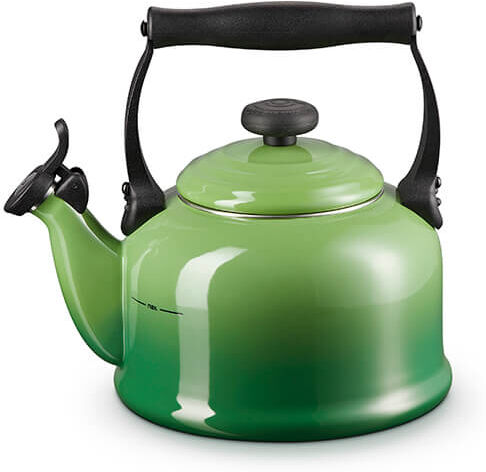
Le Creuset Bamboo Traditional KettleCrafted from enamelled steel, the Le Creuset Bamboo Traditional Kettle will add a touch of classic styling to your kitchen. Thanks to the extra-strong induction suitable bottom, your water heats up fast, while the ergonomic, heat-resistant handle provides safe and easy pouring. And when the water boils, the kettle will give a pleasing whistle. Le Creuset Traditional Kettle dimensions: L27.6cm x W21cm x H25cm. Weight: 1.63kg. Capacity: 2.1L. This Le Creuset Bamboo Traditional Kettle is supplied with a 5 year Le Creuset guarantee.135,00 £*Shipping: 0,00 £Secure redirect to the provider
-
How does one answer questions about ethnic origin or ethnic affiliation?
When answering questions about ethnic origin or ethnic affiliation, it is important to be honest and respectful. One should identify with the ethnic group they feel a connection to, whether it is based on cultural practices, family history, or personal identification. It is also important to recognize that ethnicity is a complex and multifaceted aspect of identity that can be influenced by a variety of factors. Ultimately, individuals should feel empowered to self-identify and share their ethnic background in a way that feels authentic to them. **
-
Does ethnic origin matter when someone is German?
Ethnic origin does not necessarily matter when someone is German. Germany is a diverse country with a significant immigrant population, and being German is more about citizenship and cultural integration rather than ethnic origin. Many people of different ethnic backgrounds have become naturalized German citizens and are considered as much a part of German society as those of ethnic German descent. Ultimately, being German is about embracing the values, language, and culture of the country, rather than one's ethnic background. **
-
Is the ethnic origin detectable through a DNA test?
Yes, to some extent, ethnic origin can be detected through a DNA test. DNA tests can analyze an individual's genetic markers and compare them to reference populations to estimate their ethnic origins. However, it's important to note that ethnicity is a complex and multifaceted concept that goes beyond genetics, including cultural, historical, and social factors. Therefore, while DNA tests can provide some insight into a person's ethnic origins, they are not definitive and should be considered in conjunction with other information. **
-
'Bamboo lower classifications'
Bamboo belongs to the subfamily Bambusoideae within the grass family Poaceae. It is further classified into two tribes: Bambuseae and Olyreae. Bambuseae includes the majority of bamboo species and is characterized by having woody stems and a unique flowering pattern. Olyreae, on the other hand, consists of herbaceous bamboos with smaller, thinner stems. These lower classifications help to categorize and understand the diverse range of bamboo species found around the world. **
* All prices are inclusive of VAT and, if applicable, plus shipping costs. The offer information is based on the details provided by the respective shop and is updated through automated processes. Real-time updates do not occur, so deviations can occur in individual cases. ** Note: Parts of this content were created by AI.