Buy ethnic-shop.com ?
We are moving the project
ethnic-shop.com .
Are you interested in purchasing the domain
ethnic-shop.com ?
domain@kv-gmbh.de · 0541-91531010
Buy ethnic-shop.com ?
Why am I a penguin?
You are not actually a penguin, but perhaps you are asking this question in a playful or metaphorical way. If you feel like a penguin, it could be because you identify with their characteristics such as being social, adaptable, and resilient. Or maybe you just have a love for penguins and find them to be fascinating creatures. In any case, being a penguin can be a fun and lighthearted way to express yourself. **
Why do we attract in life what we don't want?
We often attract what we don't want in life because of our thoughts, beliefs, and emotions. When we focus on what we don't want, we inadvertently give it more energy and attention, which can attract it into our lives. Additionally, our subconscious mind may be holding onto limiting beliefs or fears that manifest as unwanted experiences. It's important to shift our focus and energy towards what we do want, and work on releasing any negative beliefs or emotions that may be contributing to the attraction of unwanted experiences. **

Similar search terms for Penguin-Life-Why-We
Top-Angebote
Products related to Penguin-Life-Why-We:
-
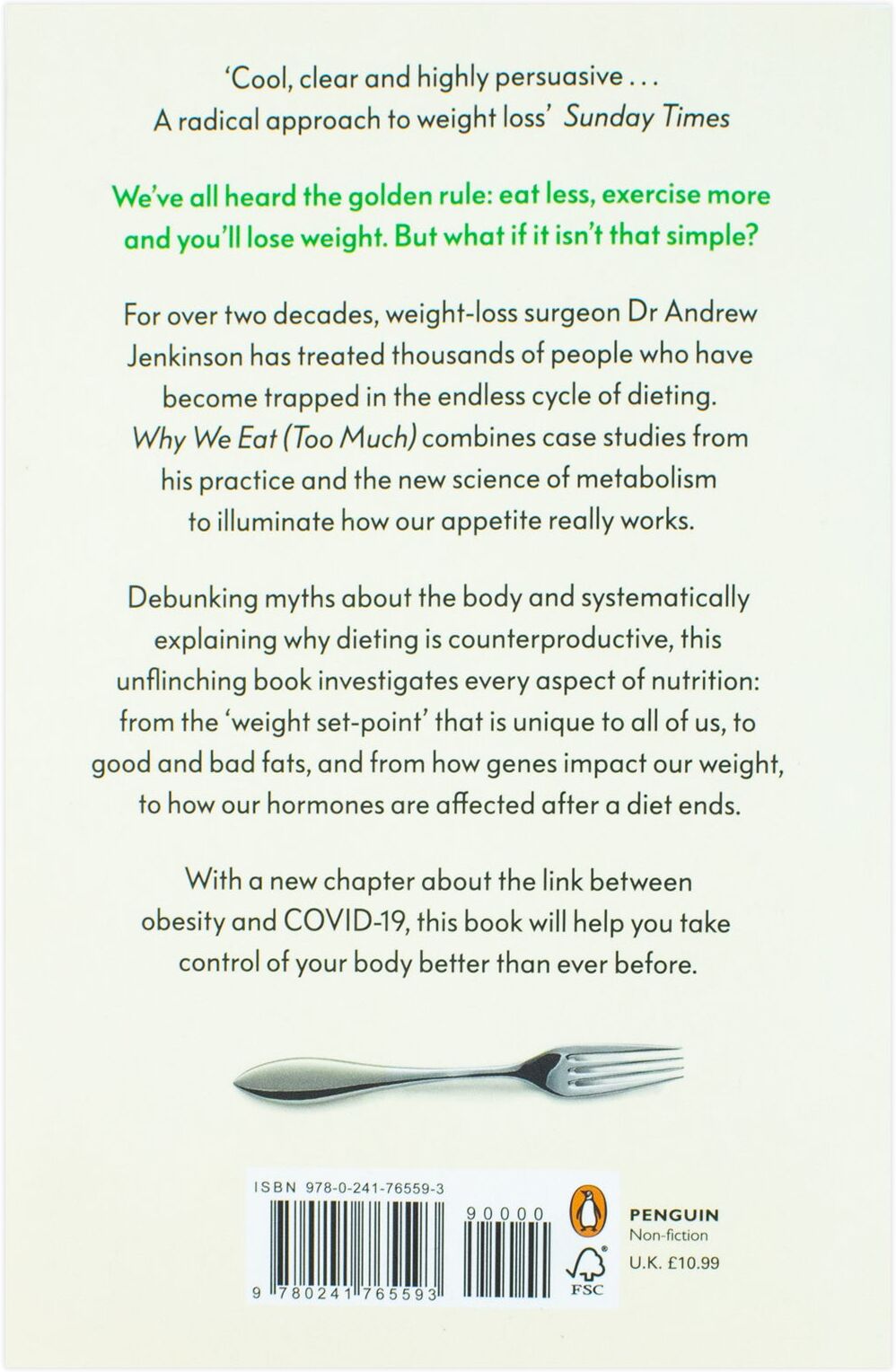
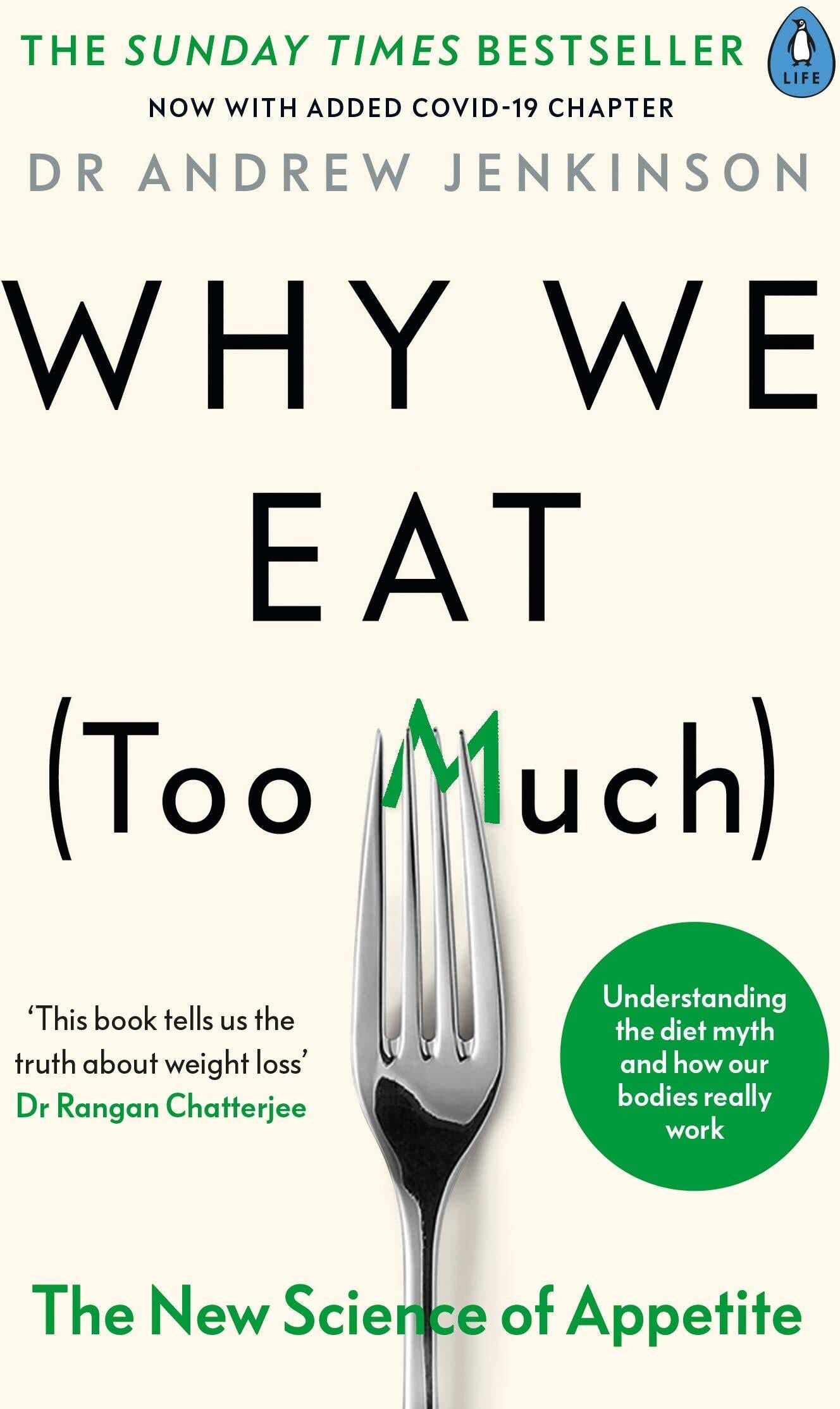
Penguin Why We Eat (Too Much) and Metabolical 2 Books Collection SetWhy We Eat (Too Much) by Dr Andrew Jenkinson We've all heard the golden rule: eat less, exercise more and you'll lose weight. But what if it isn't that simple? For over two decades, weight loss surgeon Dr Andrew Jenkinson has treated thousands of people who have become trapped in the endless cycle of dieting. Why We Eat (Too Much), combines case studies from his practice and the new science of metabolism to illuminate how our appetite really works. Debunking myths of about body and systematically explaining why dieting is counter-productive, this unflinching book investigates every aspect of nutrition: from the 'set weight point' that is unique to all of us, to good and bad fats, and from how genes impact our weight to how our hormones are affected after a diet ends. Metabolical by Dr Robert Lustig Did you know that 62% of the food in our supermarkets is not only processed but 'ultra-processed' (ingredients from other foods are combined to make something 'new', often in colours that do not exist in nature) and that data shows that by eating this kind of food over time we are literally slowly poisoning ourselves? In the hard-hitting, ground-breaking tradition of his NY Times bestseller FAT CHANCE, which revealed the dangers of sugar, Dr Robert Lustig persuasively presents a stark exposé of how our addiction to processed foods (aided and abetted by the food industry, big ag, big pharma, institutional medicine and the government) is behind the lethal increase in major non-communicable diseases, including diabetes, heart disease, fatty liver disease, cancer and dementia. We have come to accept that these chronic diseases are simply part of the 'natural ageing process', but Dr Lustig makes the case that this is simply not true.12,90 £*Shipping: 2,99 £Secure redirect to the provider
-
Penguin Life Why We Eat (Too Much): The New Science of Appetite by Dr Andrew Jenkinson - Paperback - Sunday Times Bestseller on Diet, Metabolism & Weight LossWhy We Eat (Too Much) is a thought-provoking exploration of the science behind appetite, metabolism, and weight gain. Written by weight loss surgeon Dr Andrew Jenkinson, this paperback challenges the conventional 'eat less, move more' advice and reveals why traditional dieting often fails. Drawing on decades of clinical experience and cutting-edge research, Jenkinson offers a compelling, evidence-based alternative for anyone who has struggled with their weight or wondered why willpower alone rarely works. For over two decades, Dr Jenkinson has treated thousands of patients trapped in the frustrating cycle of dieting. In this book, he combines real case studies from his practice with the latest science of metabolism to explain how appetite actually works.3,99 £*Shipping: 2,99 £Secure redirect to the provider
-
Penguin Why We Eat (Too Much) by Andrew Jenkinson The New Science of Appetite & Lasting Weight LossWhy We Eat (Too Much): The New Science of Appetite by Andrew Jenkinson exposes the real reasons behind weight gain—and why traditional dieting fails.Drawing on decades of clinical experience as a bariatric surgeon, Jenkinson reveals how hormones, metabolism, appetite signals, genetics, stress and the modern food environment influence our eating habits far more than willpower alone. The book debunks diet myths, explains how the body protects its “set point” weight, and offers science-backed strategies for achieving long-term health without extreme diets or guilt.Clear, compassionate and transformative, it’s a must-read for anyone interested in nutrition, weight management, metabolism, or evidence-based health advice.7,99 £*Shipping: 2,99 £Secure redirect to the provider
-
Why We Eat & How To Eat by Dr Andrew Jenkinson 2 Books Collection Set - Non Fiction - Paperback Penguin Random HouseTitles in this Set: 1. Why We Eat 2. How to Eat Description: Why We Eat We've all heard the golden rule: eat less, exercise more and you'll lose weight. But what if it isn't that simple? For over two decades, weight loss surgeon Dr Andrew Jenkinson has treated thousands of people who have become trapped in the endless cycle of dieting. Why We Eat (Too Much), combines case studies from his practice and the new science of metabolism to illuminate how our appetite really works. Debunking myths of about body and systematically explaining why dieting is counter-productive, this unflinching book investigates every aspect of nutrition: from the 'set weight point' that is unique to all of us, to good and bad fats, and from how genes impact our weight to how our hormones are affected after a diet ends. With a new chapter about the link between obesity and COVID-19, this incredible book will help you understand your body better than ever before. How To Eat ‘One of Britain’s top weight-loss experts’ This Morning For years we’ve been told that successful weight loss is a simple matter of willpower and calorie control. But this argument fails to take into account how our brains and bodies respond to food – in particular, to the ultra-processed foods that seem inescapable in modern life. Bariatric surgeon and Sunday Times bestselling author Dr Andrew Jenkinson gives us a game-changing blueprint to free us from our biological impulses. Even though our brains are hardwired to seek out quick rewards in salty and sugary foods, he demonstrates how to escape our default behaviours to create long-lasting change. With cutting edge metabolic science, mental reprogramming strategies, easy lifestyle changes and even delicious recipes, maintaining a healthy weight never felt so good.12,99 £*Shipping: 2,99 £Secure redirect to the provider


-
Why do we often lose in life?
We often lose in life because challenges and obstacles are a natural part of the human experience. Failure and setbacks provide opportunities for growth and learning. It is through these losses that we gain valuable insights, develop resilience, and ultimately become stronger individuals. Embracing failure as a stepping stone towards success can help us navigate life's ups and downs with grace and determination. **
-
Why do we take life so seriously?
We take life so seriously because it is filled with challenges, responsibilities, and uncertainties that can impact our well-being and future. Society often places importance on success, achievement, and meeting expectations, leading us to feel pressure to perform and excel. Additionally, our own fears, insecurities, and desire for control can contribute to a serious outlook on life as we navigate its complexities and strive for happiness and fulfillment. **
-
Why are we humans tested in life?
Humans are tested in life to grow, learn, and develop resilience. These tests help us to understand our strengths and weaknesses, and to build character and perseverance. Through facing challenges, we are able to develop empathy, compassion, and understanding for others who may be going through similar struggles. Ultimately, these tests help us to become better versions of ourselves and to fulfill our potential. **
-
Why do we only understand late what we want from life?
We often only understand late what we want from life because it takes time and experience to truly understand ourselves and our desires. As we grow and experience different things, our priorities and values may shift, leading to a clearer understanding of what we truly want. Additionally, societal and external pressures can sometimes cloud our understanding of our own desires, and it may take time to break free from these influences and discover our authentic aspirations. Ultimately, self-discovery is a journey that unfolds over time, and it is natural for our understanding of what we want from life to evolve as we mature. **
Why have we still not encountered extraterrestrial life?
There are several possible reasons why we have not yet encountered extraterrestrial life. One reason could be the vastness of the universe, making it difficult for us to search every corner for signs of life. Additionally, the distances between stars and galaxies are so immense that communication or travel between civilizations may be extremely challenging. It is also possible that extraterrestrial life exists, but is simply beyond our current technological capabilities to detect or communicate with. **
Why do we lose so often in life?
We often experience losses in life because it is a natural part of the human experience. Failure and setbacks provide opportunities for growth, learning, and resilience. It is through facing challenges and overcoming obstacles that we develop strength, character, and wisdom. Losing can also help us appreciate our successes and achievements even more. **
Top-Angebote
Products related to Penguin-Life-Why-We:
-
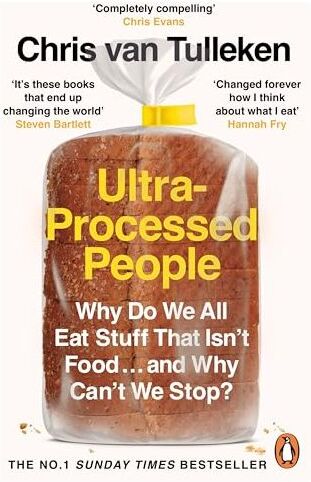
Penguin Ultra-Processed People: Why Do We All Eat Stuff That Isnt Food … and Why Cant We Stop?NOW WITH TWO BONUS CHAPTERS INCLUDING AN FAQTHE NUMBER ONE SUNDAY TIMES BESTSELLERFORTNUM & MASON'S DEBUT FOOD BOOK OF THE YEAR 2024A TIMES AND SUNDAY TIMES SCIENCE BOOK OF THE YEAR 2023AN ECONOMIST, DAILY MAIL, GOOD HOUSEKEEPING and AMAZON BEST BOOK OF THE YEAR 2023SHORTLISTED FOR WATERSTONE'S BOOK OF THE YEAR 2023Chosen by the SUNDAY TIMES, GUARDIAN, FT and DAILY MAIL as one of their BEST SUMMER BOOKS OF 2023'If you only read one diet or nutrition book in your life, make it this one' Bee Wilson'A devastating, witty and scholarly destruction of the shit food we eat and why' Adam Rutherford---An eye-opening investigation into the science, economics, history and production of ultra-processed food. It's not you, it's the food. We have entered a new 'age of eating' where most of our calories come from an entirely novel set of substances called Ultra-Processed Food, food which is industrially processed and designed and marketed to be addictive. But do we really know what it's doing to our bodies?Join Chris in his travels through the world of food science and a UPF diet to discover what's really going on. Find out why exercise and willpower can't save us, and what UPF is really doing to our bodies, our health, our weight, and the planet (hint: nothing good). For too long we've been told we just need to make different choices, when really we're living in a food environment that makes it nigh-on impossible. So this is a book about our rights. The right to know what we eat and what it does to our bodies and the right to good, affordable food. Number 1 Sunday Times bestseller, August 202310,95 £*Shipping: 2,99 £Secure redirect to the provider
-
HARPERCOLLINS Lifespan: Why We Age and Why We Dont Have ToLifespan - Why We Age and Why We Dont Have To Description In this paradigm-shifting book from acclaimed Harvard Medical School doctor and one of TIME magazine's 100 most influential people on earth; Dr. David Sinclair reveals that everything we think we know about ageing is wrong; and shares the surprising; scientifically-proven methods that can help readers live younger; longer. For decades; the medical community has looked to a variety of reasons for why we age; and the consensus is that no one dies of old age; they die of age-related diseases. That's because ageing is not a disease - it is inevitable. But what if everything you think you know about ageing is wrong?What if ageing is a disease? And that disease is curable. In LIFESPAN; Dr. David Sinclair; one of the world's foremost authorities on genetics and ageing; argues just that. He has dedicated his life's work to chasing more than a longer lifespan - he wants to enable people to live longer; healthier; and disease-free well into our hundreds. In this book; he reveals a bold new theory of ageing; one that pinpoints a root cause of ageing that lies in an ancient genetic survival circuit. This genetic trick - a circuit designed to halt reproduction in order to repair damage to the genome -has enabled earth's early microcosms to survive and evolve into more advanced organisms. But this same survival circuit is the reason we age: as genetic damage accumulates over our lifespans from UV rays; environmental toxins; and unhealthy diets; our genome is overwhelmed; causing gray hair; wrinkles; achy joints; heart issues; dementia; and; ultimately; death. But genes aren't our destiny; we have more control over them than we've been taught to believe. We can't change our DNA; but we can harness the power of the epigenome to realise the true potential of our genes. Drawing on his cutting-edge findings at the forefront of medical research; Dr. Sinclair will provide a scientifically-proven roadmap to reverse the genetic clock by activating our vitality genes; so we can live younger longer. Readers will discover how a few simple lifestyle changes - like intermittent fasting; avoiding too much animal protein; limiting sugar; avoiding x-rays; exercising with the right intensity; and even trying cold therapy - can activate our vitality genes. Dr. Sinclair ends the book with a look to the near future; exploring what the world might look like - and what will need to change - when we are all living well to 120 or more. Dr. Sinclair takes what we have long accepted as the limits of human potential and mortality and turns them into choices. THE EVOLUTION OF AGEING is destined to be the biggest book on genes; biology; and longevity of this decade.7,95 £*Shipping: 2,99 £Secure redirect to the provider
-
Penguin Why We Eat (Too Much) and Metabolical 2 Books Collection SetWhy We Eat (Too Much) by Dr Andrew Jenkinson We've all heard the golden rule: eat less, exercise more and you'll lose weight. But what if it isn't that simple? For over two decades, weight loss surgeon Dr Andrew Jenkinson has treated thousands of people who have become trapped in the endless cycle of dieting. Why We Eat (Too Much), combines case studies from his practice and the new science of metabolism to illuminate how our appetite really works. Debunking myths of about body and systematically explaining why dieting is counter-productive, this unflinching book investigates every aspect of nutrition: from the 'set weight point' that is unique to all of us, to good and bad fats, and from how genes impact our weight to how our hormones are affected after a diet ends. Metabolical by Dr Robert Lustig Did you know that 62% of the food in our supermarkets is not only processed but 'ultra-processed' (ingredients from other foods are combined to make something 'new', often in colours that do not exist in nature) and that data shows that by eating this kind of food over time we are literally slowly poisoning ourselves? In the hard-hitting, ground-breaking tradition of his NY Times bestseller FAT CHANCE, which revealed the dangers of sugar, Dr Robert Lustig persuasively presents a stark exposé of how our addiction to processed foods (aided and abetted by the food industry, big ag, big pharma, institutional medicine and the government) is behind the lethal increase in major non-communicable diseases, including diabetes, heart disease, fatty liver disease, cancer and dementia. We have come to accept that these chronic diseases are simply part of the 'natural ageing process', but Dr Lustig makes the case that this is simply not true.12,90 £*Shipping: 2,99 £Secure redirect to the provider
-
Penguin Life Why We Eat (Too Much): The New Science of Appetite by Dr Andrew Jenkinson - Paperback - Sunday Times Bestseller on Diet, Metabolism & Weight LossWhy We Eat (Too Much) is a thought-provoking exploration of the science behind appetite, metabolism, and weight gain. Written by weight loss surgeon Dr Andrew Jenkinson, this paperback challenges the conventional 'eat less, move more' advice and reveals why traditional dieting often fails. Drawing on decades of clinical experience and cutting-edge research, Jenkinson offers a compelling, evidence-based alternative for anyone who has struggled with their weight or wondered why willpower alone rarely works. For over two decades, Dr Jenkinson has treated thousands of patients trapped in the frustrating cycle of dieting. In this book, he combines real case studies from his practice with the latest science of metabolism to explain how appetite actually works.3,99 £*Shipping: 2,99 £Secure redirect to the provider
-
Why am I a penguin?
You are not actually a penguin, but perhaps you are asking this question in a playful or metaphorical way. If you feel like a penguin, it could be because you identify with their characteristics such as being social, adaptable, and resilient. Or maybe you just have a love for penguins and find them to be fascinating creatures. In any case, being a penguin can be a fun and lighthearted way to express yourself. **
-
Why do we attract in life what we don't want?
We often attract what we don't want in life because of our thoughts, beliefs, and emotions. When we focus on what we don't want, we inadvertently give it more energy and attention, which can attract it into our lives. Additionally, our subconscious mind may be holding onto limiting beliefs or fears that manifest as unwanted experiences. It's important to shift our focus and energy towards what we do want, and work on releasing any negative beliefs or emotions that may be contributing to the attraction of unwanted experiences. **
-
Why do we often lose in life?
We often lose in life because challenges and obstacles are a natural part of the human experience. Failure and setbacks provide opportunities for growth and learning. It is through these losses that we gain valuable insights, develop resilience, and ultimately become stronger individuals. Embracing failure as a stepping stone towards success can help us navigate life's ups and downs with grace and determination. **
-
Why do we take life so seriously?
We take life so seriously because it is filled with challenges, responsibilities, and uncertainties that can impact our well-being and future. Society often places importance on success, achievement, and meeting expectations, leading us to feel pressure to perform and excel. Additionally, our own fears, insecurities, and desire for control can contribute to a serious outlook on life as we navigate its complexities and strive for happiness and fulfillment. **
Similar search terms for Penguin-Life-Why-We
-
Penguin Why We Eat (Too Much) by Andrew Jenkinson The New Science of Appetite & Lasting Weight LossWhy We Eat (Too Much): The New Science of Appetite by Andrew Jenkinson exposes the real reasons behind weight gain—and why traditional dieting fails.Drawing on decades of clinical experience as a bariatric surgeon, Jenkinson reveals how hormones, metabolism, appetite signals, genetics, stress and the modern food environment influence our eating habits far more than willpower alone. The book debunks diet myths, explains how the body protects its “set point” weight, and offers science-backed strategies for achieving long-term health without extreme diets or guilt.Clear, compassionate and transformative, it’s a must-read for anyone interested in nutrition, weight management, metabolism, or evidence-based health advice.7,99 £*Shipping: 2,99 £Secure redirect to the provider
-
Why We Eat & How To Eat by Dr Andrew Jenkinson 2 Books Collection Set - Non Fiction - Paperback Penguin Random HouseTitles in this Set: 1. Why We Eat 2. How to Eat Description: Why We Eat We've all heard the golden rule: eat less, exercise more and you'll lose weight. But what if it isn't that simple? For over two decades, weight loss surgeon Dr Andrew Jenkinson has treated thousands of people who have become trapped in the endless cycle of dieting. Why We Eat (Too Much), combines case studies from his practice and the new science of metabolism to illuminate how our appetite really works. Debunking myths of about body and systematically explaining why dieting is counter-productive, this unflinching book investigates every aspect of nutrition: from the 'set weight point' that is unique to all of us, to good and bad fats, and from how genes impact our weight to how our hormones are affected after a diet ends. With a new chapter about the link between obesity and COVID-19, this incredible book will help you understand your body better than ever before. How To Eat ‘One of Britain’s top weight-loss experts’ This Morning For years we’ve been told that successful weight loss is a simple matter of willpower and calorie control. But this argument fails to take into account how our brains and bodies respond to food – in particular, to the ultra-processed foods that seem inescapable in modern life. Bariatric surgeon and Sunday Times bestselling author Dr Andrew Jenkinson gives us a game-changing blueprint to free us from our biological impulses. Even though our brains are hardwired to seek out quick rewards in salty and sugary foods, he demonstrates how to escape our default behaviours to create long-lasting change. With cutting edge metabolic science, mental reprogramming strategies, easy lifestyle changes and even delicious recipes, maintaining a healthy weight never felt so good.12,99 £*Shipping: 2,99 £Secure redirect to the provider
-
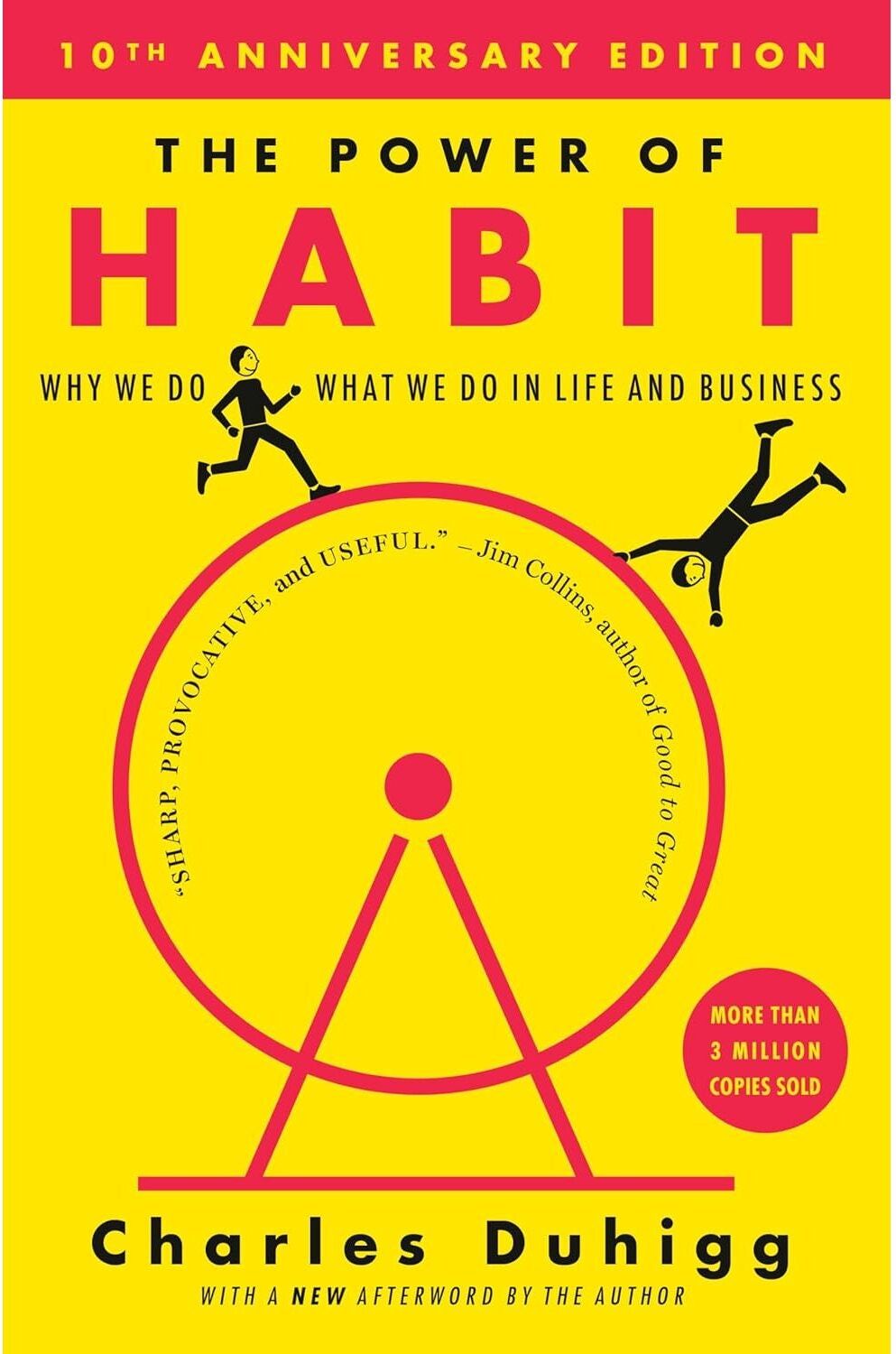
Random House Books The Power of Habit HARDBACK: Why We Do What We Do, and How to ChangeA WALL STREET JOURNAL AND FINANCIAL TIMES BEST BOOK OF THE YEAR In The Power of Habit, award-winning business reporter Charles Duhigg takes us to the thrilling edge of scientific discoveries that explain why habits exist and how they can be changed. Distilling vast amounts of information into engrossing narratives that take us from the boardrooms of Procter & Gamble to the sidelines of the NFL to the front lines of the civil rights movement, Duhigg presents a whole new understanding of human nature and its potential. At its core, The Power of Habit contains an exhilarating argument: The key to exercising regularly, losing weight, being more productive, and achieving success is understanding how habits work. As Duhigg shows, by harnessing this new science, we can transform our businesses, our communities, and our lives.9,49 £*Shipping: 2,99 £Secure redirect to the provider
-
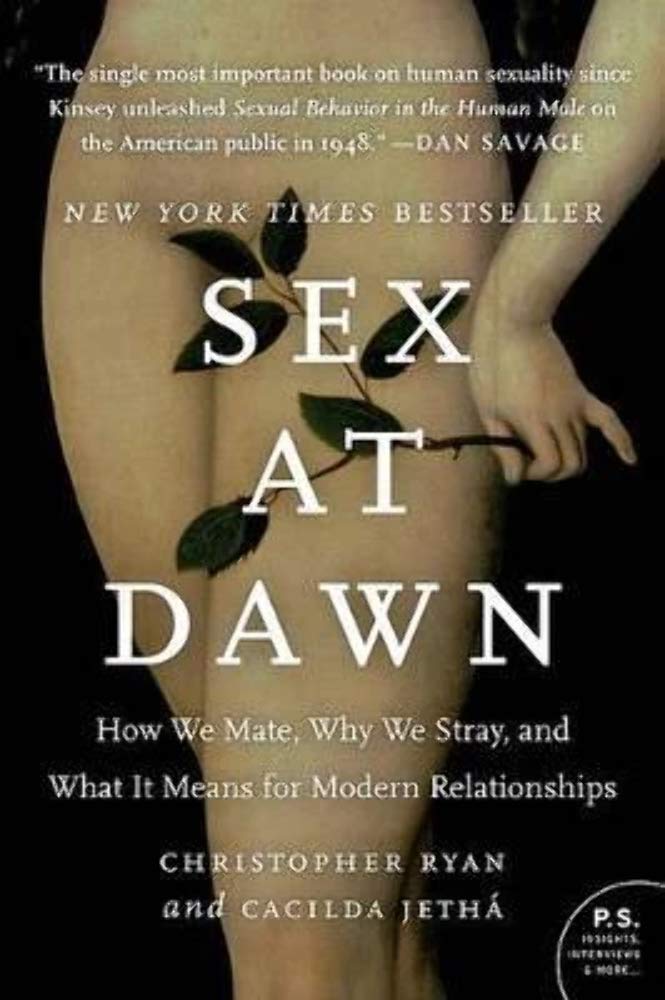
Harper Perennial Sex at Dawn: How We Mate, Why We Stray, and What It Means for Modern Relationships (P.S.)A controversial, idea-driven work of evolutionary psychology and anthropology that challenges everything you (think you) know about sex, monogamy, marriage, and family. In the words of Steve Taylor (The Fall, Waking From Sleep), Sex at Dawn is “a wonderfully provocative and well-written book which completely re-evaluates human sexual behavior and gets to the root of many of our social and psychological ills.” What if our struggles with monogamy, jealousy, and libido aren’t a personal failure, but an evolutionary mismatch? The Standard Narrative: A look at how the conventional story of human monogamy was built on flawed, outdated assumptions from the Victorian era. Primate Politics: Why our peaceful, hypersexual bonobo cousins may be a better model for our ancestral past than the violent, hierarchical chimpanzee. Foraging Societies: An exploration of our hunter-gatherer ancestors, who lived in fiercely egalitarian groups that shared food, child care, and even sexual partners. Sperm Competition: How human anatomy—from testis size to the female orgasm—points to a prehistory of multiple mating partners for both sexes. Modern Relationships: A new framework for understanding why passion fades, why so many struggle with monogamy, and what it means for our relationships today.5,99 £*Shipping: 2,99 £Secure redirect to the provider
-
Why are we humans tested in life?
Humans are tested in life to grow, learn, and develop resilience. These tests help us to understand our strengths and weaknesses, and to build character and perseverance. Through facing challenges, we are able to develop empathy, compassion, and understanding for others who may be going through similar struggles. Ultimately, these tests help us to become better versions of ourselves and to fulfill our potential. **
-
Why do we only understand late what we want from life?
We often only understand late what we want from life because it takes time and experience to truly understand ourselves and our desires. As we grow and experience different things, our priorities and values may shift, leading to a clearer understanding of what we truly want. Additionally, societal and external pressures can sometimes cloud our understanding of our own desires, and it may take time to break free from these influences and discover our authentic aspirations. Ultimately, self-discovery is a journey that unfolds over time, and it is natural for our understanding of what we want from life to evolve as we mature. **
-
Why have we still not encountered extraterrestrial life?
There are several possible reasons why we have not yet encountered extraterrestrial life. One reason could be the vastness of the universe, making it difficult for us to search every corner for signs of life. Additionally, the distances between stars and galaxies are so immense that communication or travel between civilizations may be extremely challenging. It is also possible that extraterrestrial life exists, but is simply beyond our current technological capabilities to detect or communicate with. **
-
Why do we lose so often in life?
We often experience losses in life because it is a natural part of the human experience. Failure and setbacks provide opportunities for growth, learning, and resilience. It is through facing challenges and overcoming obstacles that we develop strength, character, and wisdom. Losing can also help us appreciate our successes and achievements even more. **
* All prices are inclusive of VAT and, if applicable, plus shipping costs. The offer information is based on the details provided by the respective shop and is updated through automated processes. Real-time updates do not occur, so deviations can occur in individual cases. ** Note: Parts of this content were created by AI.